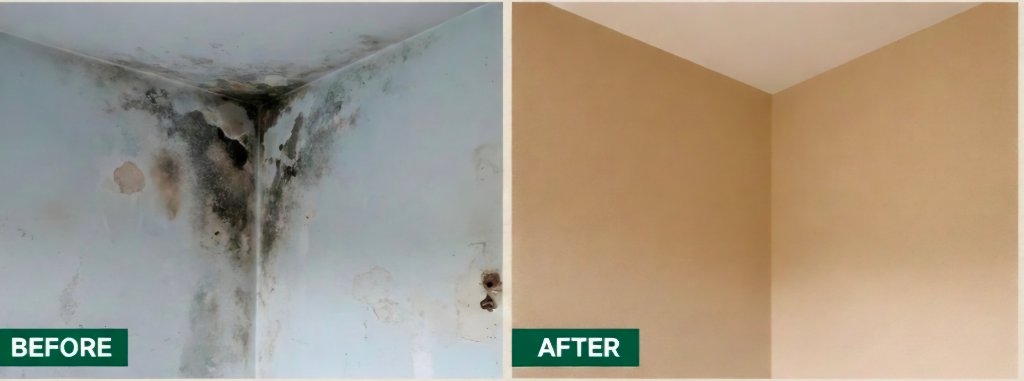
Damp Internal Walls — Ireland
Best Insulation for
Damp Internal Walls
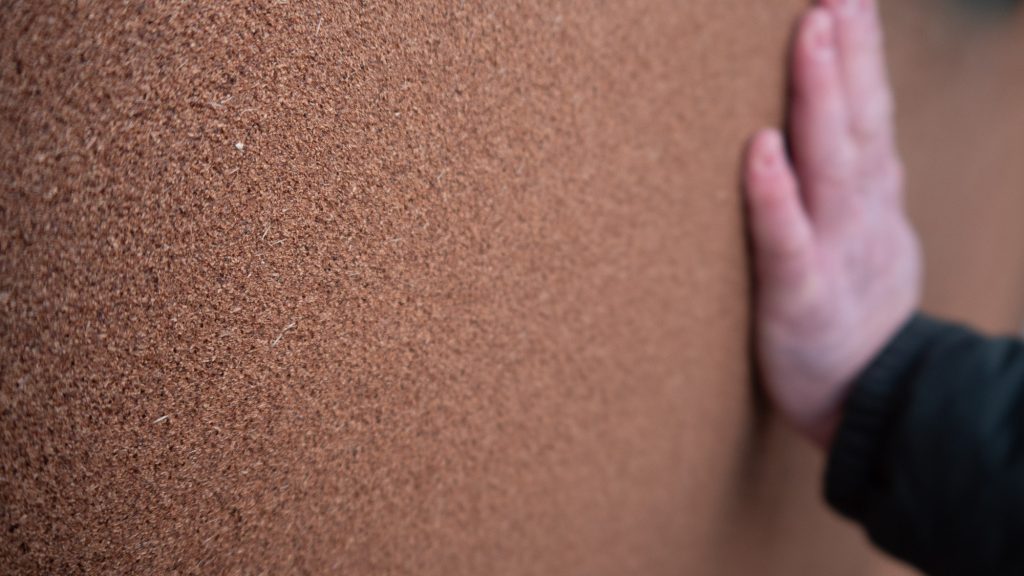
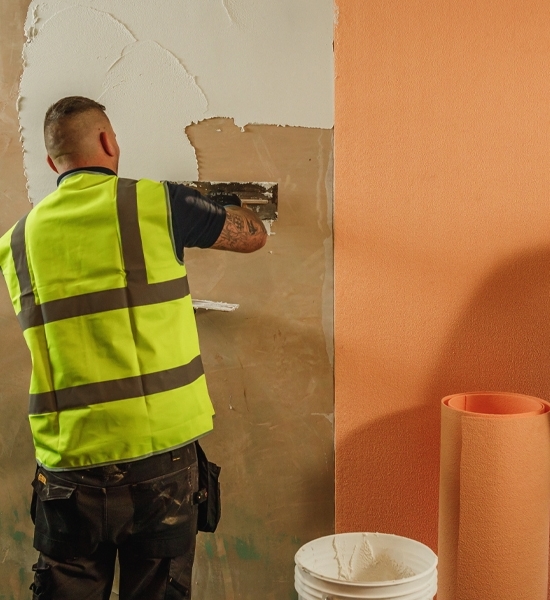
The key to fixing damp internal walls is a breathable insulation — not foam boards that trap moisture. VIPEQ trowel-applied cork raises surface temperature, stops condensation and lets walls breathe naturally.
Why Irish Homes Get Damp Internal Walls
Most damp on internal walls in Irish homes is surface condensation — not rising damp. It's caused by cold wall surfaces in a humid indoor environment. Understanding the cause is the key to choosing the right solution.
Cold Wall Surface
When an internal wall surface is below the dew point temperature of the air, moisture condenses on it — causing surface dampness and mould growth.
Thermal Bridging
Cold spots where heat escapes fastest — around window reveals, corners and external walls — are the most common damp zones.
Poor Breathability
Impermeable coatings trap moisture in the wall, creating persistent damp problems that cannot dry out naturally.
Solid Wall Construction
Many older Irish homes have no cavity — meaning cold travels through the full wall thickness, making the internal surface cold and damp-prone.
Why Breathability Matters for Damp Walls
Many homeowners insulate damp walls with rigid foam boards — and the problem gets worse. Here's why: impermeable insulation traps moisture inside the wall, preventing it from drying out naturally.
The correct approach is a vapour-permeable insulation that lets moisture move through the wall while still raising the surface temperature to prevent condensation.
"For damp internal walls, breathability is not optional — it's the difference between solving the problem and making it worse."
VIPEQ Cork
Foam / PIR Boards
How VIPEQ Cork Fixes Damp Internal Walls
Raises Internal Surface Temperature
By insulating the wall surface, VIPEQ cork raises the temperature of the inner face — preventing condensation from forming in the first place.
Breathable System
Unlike foam boards, VIPEQ is vapour permeable — moisture can move through the wall naturally, preventing trapped damp.
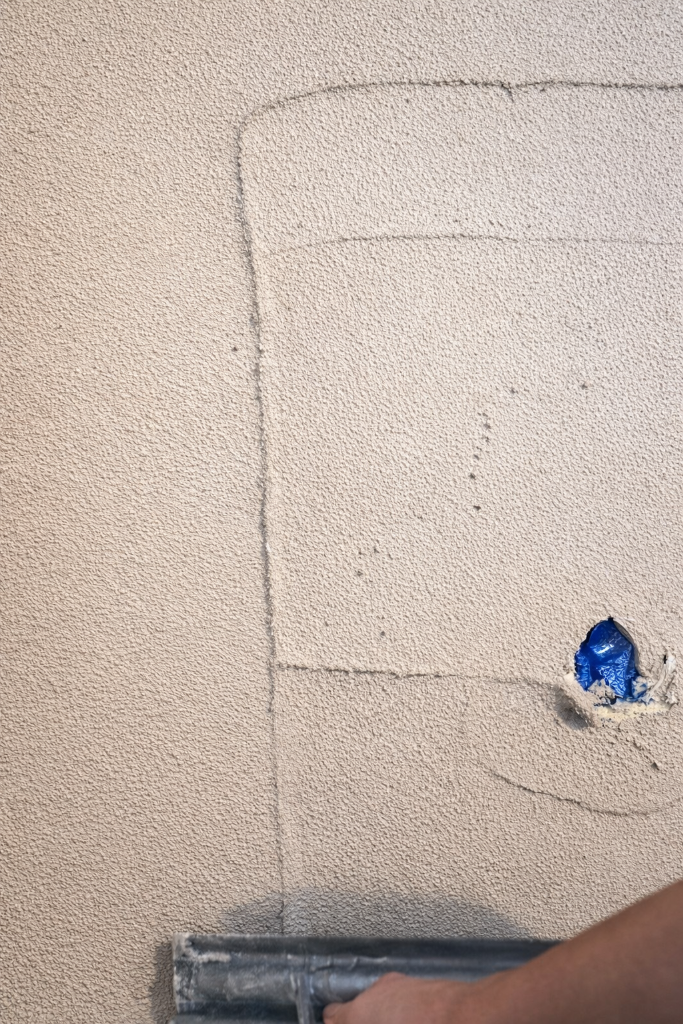
Thin Application (3–6mm)
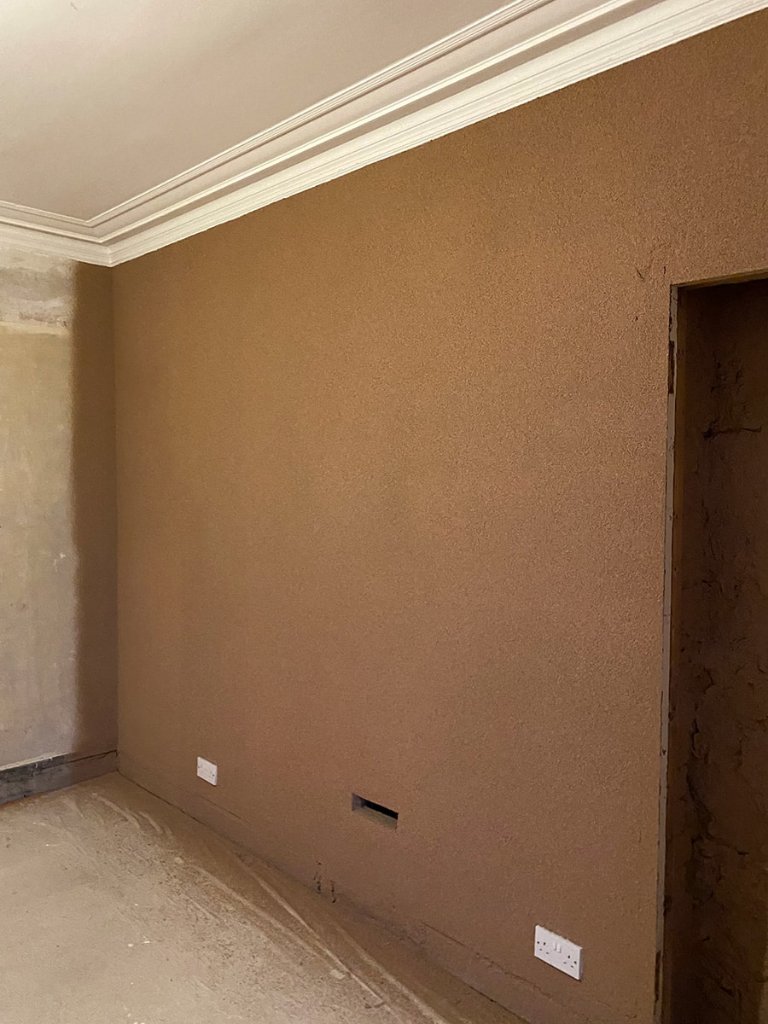
Applied like a plaster coat, it adds minimal thickness — no loss of room space, no removal of skirtings or fittings.
Flexible & Crack-Resistant
Accommodates minor building movement so it won't crack or detach, even in older solid-wall buildings.
Applications Across Irish Homes
Damp Bedrooms & Corners
The most common problem — cold corners, north-facing bedroom walls and alcoves where condensation collects and mould grows.
Cold External Walls
External walls that feel cold to the touch — particularly gable walls, north-facing rooms and uninsulated rear additions.
Stone & Solid Wall Homes
Pre-1970s Irish homes with solid wall construction where traditional insulation boards are impractical or too disruptive.
Retrofit Without Full Renovation
Applied with minimal disruption — no removal of skirtings, radiators or floor coverings required.
Window Reveals & Thermal Bridges
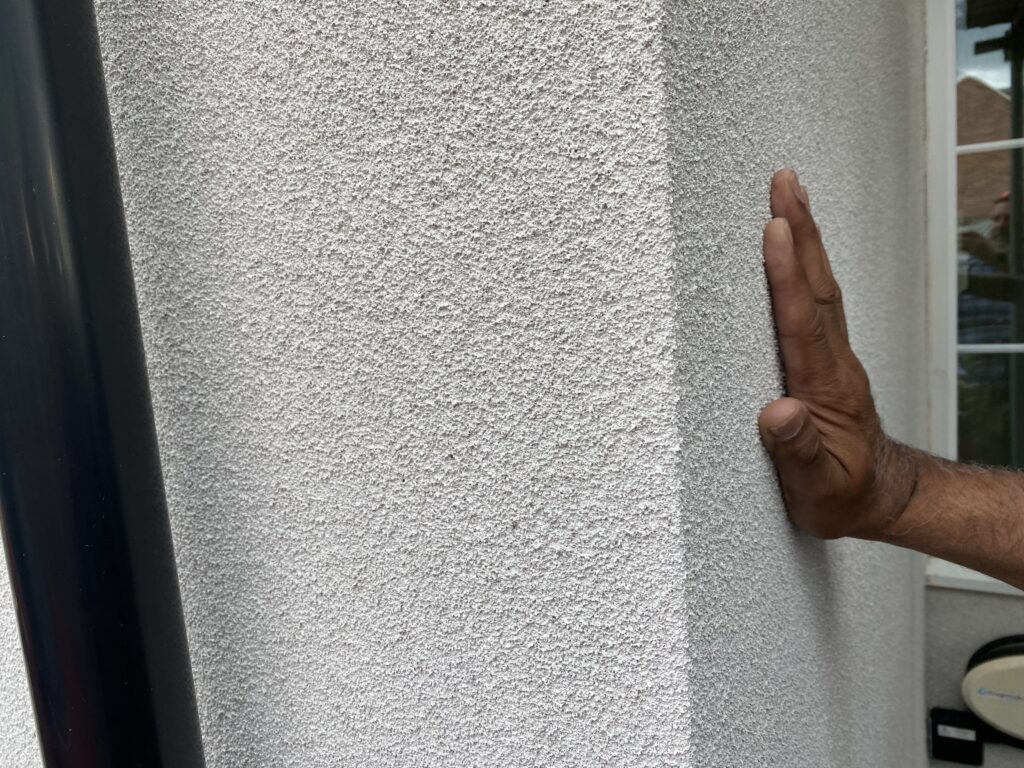
Wraps seamlessly around reveals and corners — the areas boards can't reach and where damp is often worst.
Heritage & Period Properties
Suitable for stone houses, listed buildings and conservation areas where breathability and minimal intervention are required.
Why Damp Walls Are So Common in Ireland
Ireland's damp Atlantic climate, large stock of pre-1970s solid-wall homes and limited cavity insulation in older buildings all contribute to widespread damp internal wall problems. The solution needs to be breathable, practical and retrofit-friendly.
Related Solutions
What Our Customers Say
"The back bedroom was freezing in winter — external stone wall, old solid-wall build. We didn't want to lose room size with boards. The thin coat made a real difference to the wall temperature and no more condensation."
Brendan Lynch
Homeowner — Clare
"Tenants were complaining about mould in two rooms. We had the thin coat applied and it resolved the issue completely. The rooms are warmer and the wall surface temperature improved noticeably."
Mary O'Brien
Landlord — Kerry
"I've used VIPEQ Thin Coat on several heritage retrofit projects where breathability was non-negotiable. It's become my preferred solution for internal cold wall treatment on older properties."
Paul Kehoe
Building Contractor — Kilkenny
Damp Internal Walls — Frequently Asked Questions
Damp Internal Walls? We Can Help.
Send us photos of your wall and we'll advise if VIPEQ breathable cork insulation is the right solution — free assessment, no obligation.