Insulating Plaster — Ireland
Insulating Plaster for
Irish Homes & Buildings
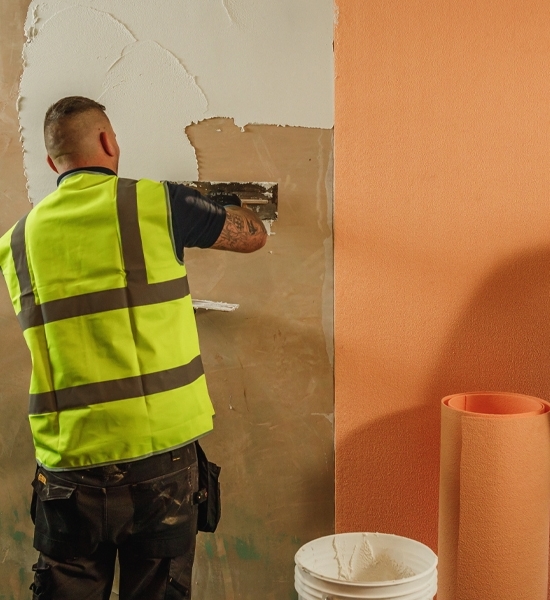
VIPEQ trowel-applied cork is a natural, breathable insulating plaster — applied directly to internal walls to improve thermal comfort, reduce cold walls and control condensation. Minimal thickness, no major disruption.
A Modern Insulating Plaster — Without the Disruption
Traditional insulated plasterboard reduces room size, requires significant disruption, and is not always breathable — a problem in older Irish homes.
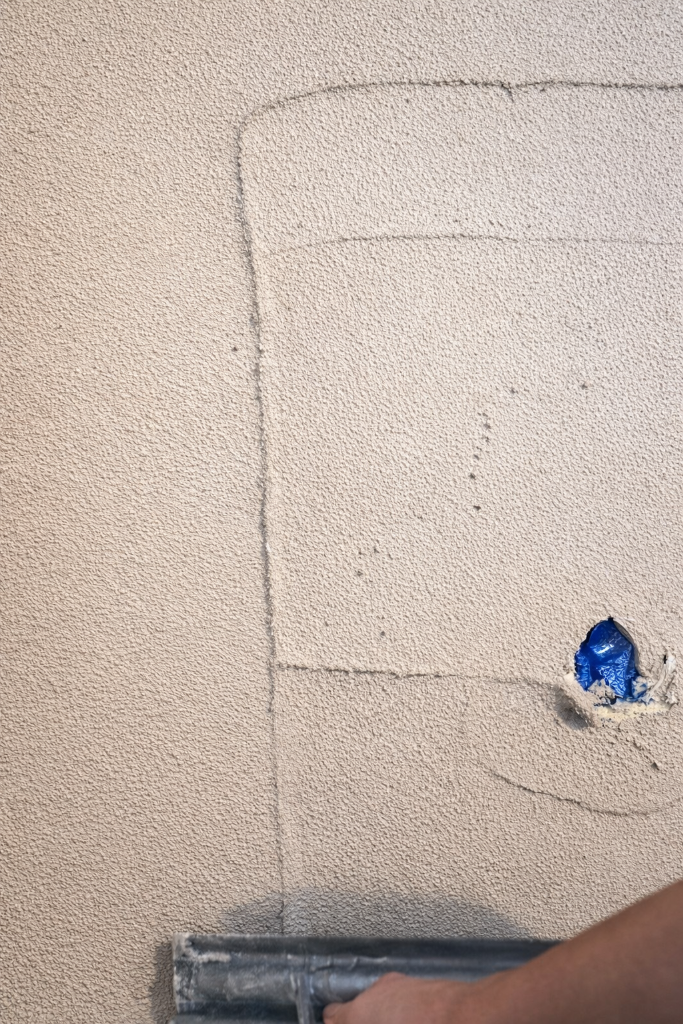
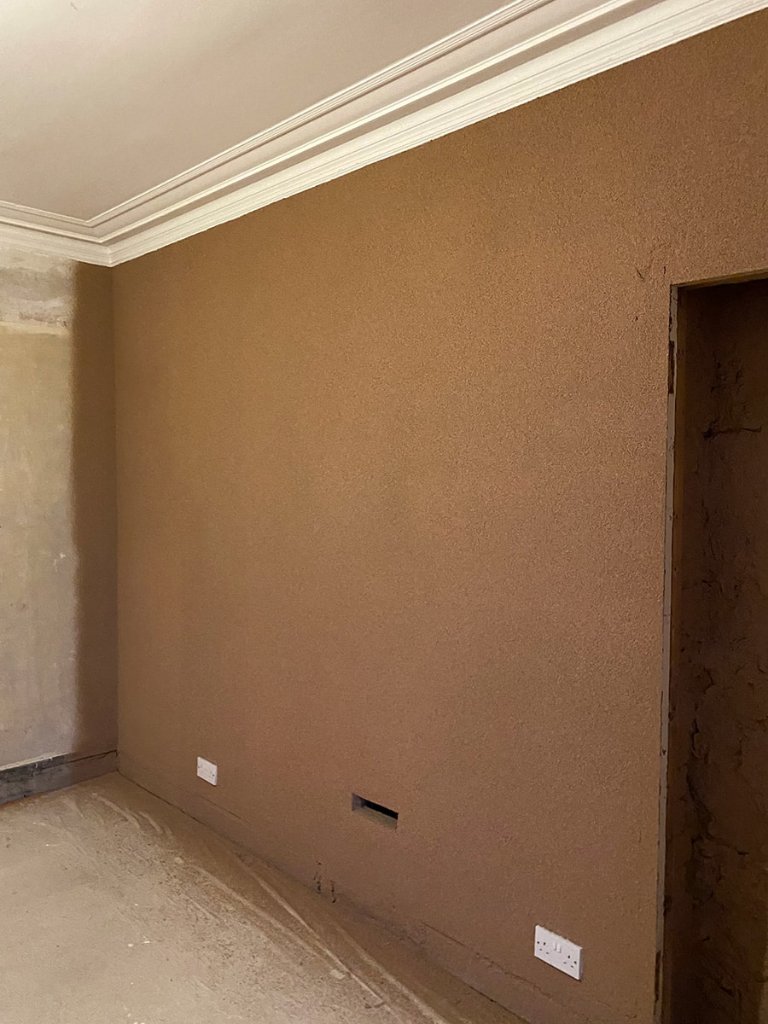
VIPEQ's cork-based insulating plaster is trowel-applied in thin layers of just 3–6 mm, directly onto existing walls. It raises surface temperature, improves comfort and reduces condensation — without stripping out skirtings, architraves or radiators.
Why Cork Makes the Best Insulating Plaster
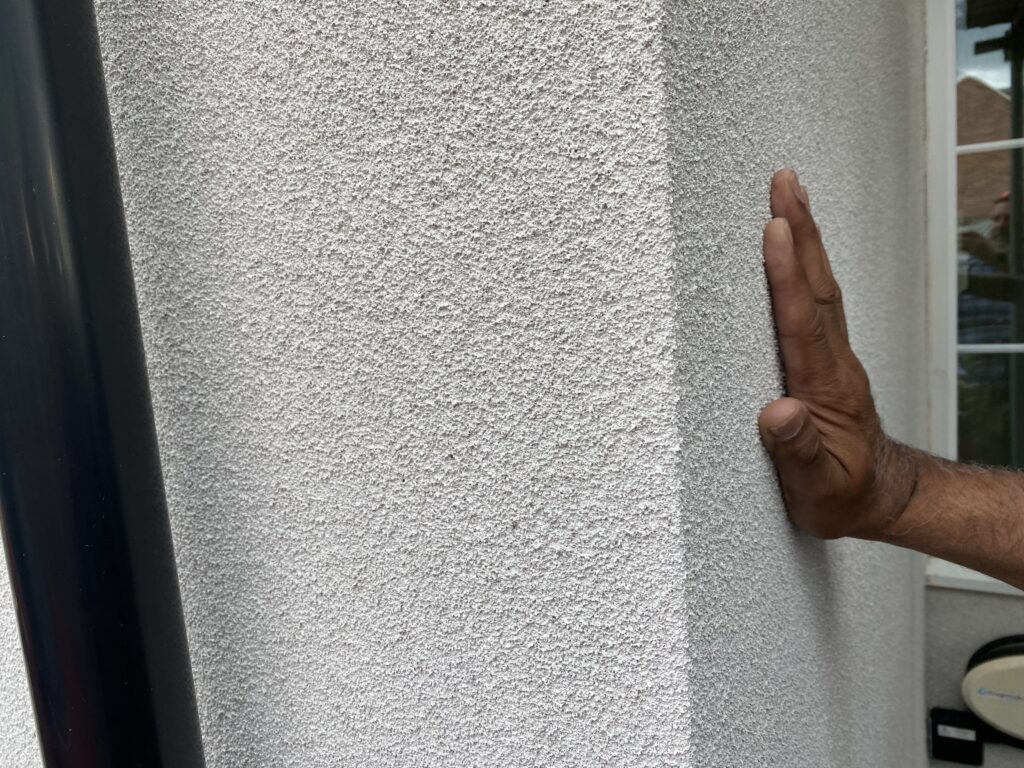
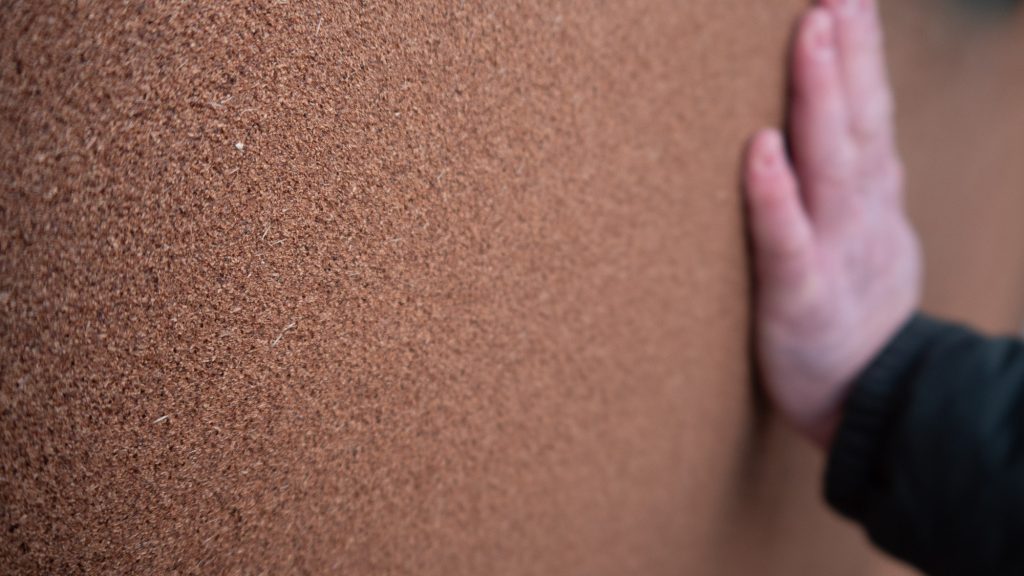
Cork is a naturally insulating, breathable, and flexible material — properties that make it ideal as the base for an insulating plaster system.
Natural thermal insulation
Cork's cellular structure traps air, providing inherent resistance to heat loss — particularly effective at correcting thermal bridging.
Breathability — essential for Irish homes
Cork is naturally vapour permeable, allowing moisture to move through walls. This is critical in older, solid-wall buildings common across Ireland.
Flexibility and durability
Cork accommodates minor building movement and thermal expansion without cracking — a limitation of many rigid insulation solutions.
VIPEQ's cork insulating plaster is the same material used in the Thermal Corkspray system — applied by trowel for internal walls where spray is not appropriate.
Applications for Cork Insulating Plaster in Ireland
Cold & Damp Internal Walls
The most common use — insulating plaster applied to cold north-facing walls, gable ends and exposed walls, raising surface temperature and improving perceived warmth.
Condensation & Mould
By warming the wall surface, cork insulating plaster reduces the conditions that cause surface condensation and mould growth in bedrooms, hallways and corners.
Solid Wall & Stone Houses
Traditional Irish stone and solid wall homes cannot use rigid boards without major disruption. Cork insulating plaster is breathable and adheres directly to these substrates.
Retrofit & Renovation
Applied in thin layers without removing skirtings, architraves or radiators. Ideal when a full renovation is not planned but thermal comfort needs to improve.
Window Reveals & Awkward Areas
Insulating plaster wraps seamlessly around window reveals, corners and curved walls — areas where rigid insulation boards simply cannot be fitted.
Heritage & Conservation Buildings
Its vapour permeability and minimal thickness make it suitable for listed buildings and conservation areas where breathability is a requirement.
Cork Insulating Plaster vs Insulated Plasterboard
VIPEQ Cork Insulating Plaster
- 3–6 mm thin — no room size reduction
- Breathable & vapour permeable
- Trowel-applied — low disruption
- No skirtings or fittings removed
- Suitable for old stone & solid walls
- Flexible — accommodates movement
- Natural cork material
Insulated Plasterboard (PIR/EPS)
- 50–150 mm thick — reduces room size
- Not vapour permeable
- Requires significant disruption
- Skirtings, sockets & radiators removed
- Difficult on uneven or stone walls
- Rigid — can crack at movement joints
- Synthetic foam-based material
Why Choose Cork Insulating Plaster?
Why Insulating Plaster Suits Irish Housing
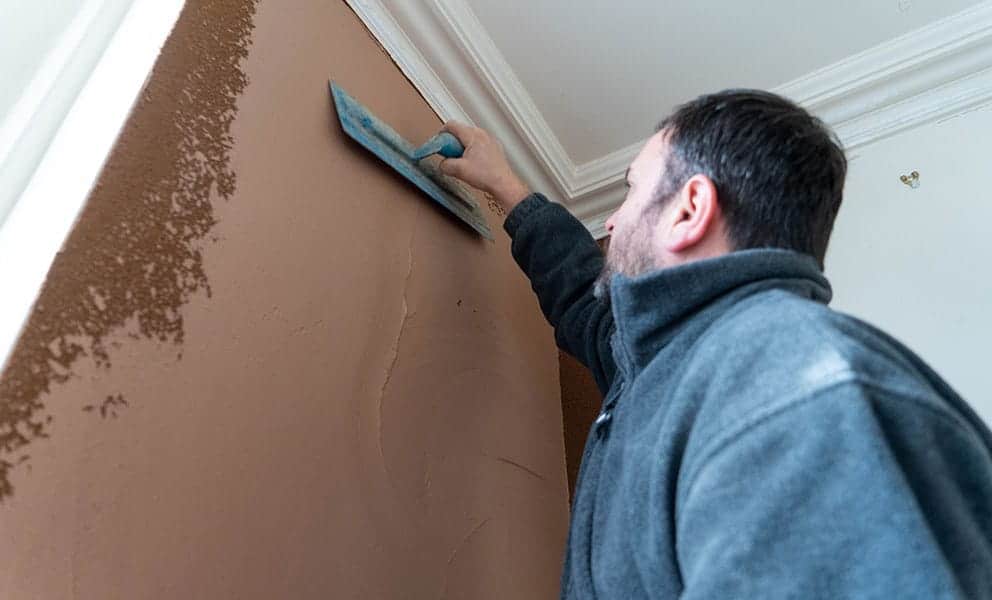
A large proportion of Irish homes are pre-1970s solid-wall construction — stone, brick and block buildings that cannot easily accommodate thick internal insulation without significant disruption. Cork insulating plaster was developed with these buildings in mind.
Who Uses Cork Insulating Plaster?
Want to see the full VIPEQ Trowel-Applied Cork product page with technical data and specifications?
View Trowel-Applied Cork Product PageWhat Our Customers Say
"The back bedroom was freezing in winter — external stone wall, old solid-wall build. We didn't want to lose room size with boards. The thin coat made a real difference to the wall temperature and no more condensation."
Brendan Lynch
Homeowner — Clare
"Tenants were complaining about mould in two rooms. We had the thin coat applied and it resolved the issue completely. The rooms are warmer and the wall surface temperature improved noticeably."
Mary O'Brien
Landlord — Kerry
"I've used VIPEQ Thin Coat on several heritage retrofit projects where breathability was non-negotiable. It's become my preferred solution for internal cold wall treatment on older properties."
Paul Kehoe
Building Contractor — Kilkenny
Insulating Plaster — Frequently Asked Questions
Cold Walls or Condensation? We Can Help.
Send us photos of your wall or room and we'll advise whether cork insulating plaster is the right solution — no obligation, free assessment.